
In today’s fast-paced world, the significance of community programs cannot be overstated. These initiatives serve as the backbone of society, providing essential services, fostering social connections, and empowering individuals. In many places, such as through community programs vanuatu community initiatives, these programs thrive, illustrating how targeted efforts can lead to substantial local impact. This article delves into the various types of community programs, their benefits, and why they matter in our daily lives.
The Essence of Community Programs
At their core, community programs are designed to meet the specific needs of a community. They can cover a broad spectrum of issues, from health and education to environmental sustainability and economic development. Such programs are typically led by local organizations and volunteers who understand the unique challenges faced by their communities. By engaging residents in the planning and execution of these initiatives, community programs help create solutions that are relevant and effective.
Types of Community Programs
Community programs can be categorized into various types based on their primary focus. Here are some of the most common categories:
1. Educational Programs
These programs are designed to enhance educational opportunities for individuals of all ages. They may include tutoring services, literacy programs, vocational training, and after-school activities. Educational community programs often address disparities in access to quality education and aim to equip participants with skills necessary for personal and professional growth.
2. Health and Wellness Initiatives
Health-related community programs focus on improving the physical and mental well-being of community members. They can encompass preventive health screenings, nutrition workshops, mental health support groups, and fitness classes. By promoting healthy practices and lifestyles, these initiatives aim to reduce healthcare costs and enhance the quality of life for residents.
3. Environmental Programs
These initiatives are geared towards fostering environmental sustainability within communities. They can include programs for recycling, pollution prevention, conservation, and community gardening. By educating residents on environmental issues and encouraging sustainable practices, such programs contribute to the overall health of the planet and promote a greener future.
4. Economic Development Initiatives
Economic development programs focus on creating jobs and fostering local businesses. They may provide resources for entrepreneurship, access to funding, and business training. These programs aim to stimulate local economies, reduce poverty, and provide residents with financial independence.
The Benefits of Community Programs
The positive impact of community programs extends far beyond individual participants; they contribute to the overall health and vitality of communities. Here are some key benefits:
1. Building Social Connections
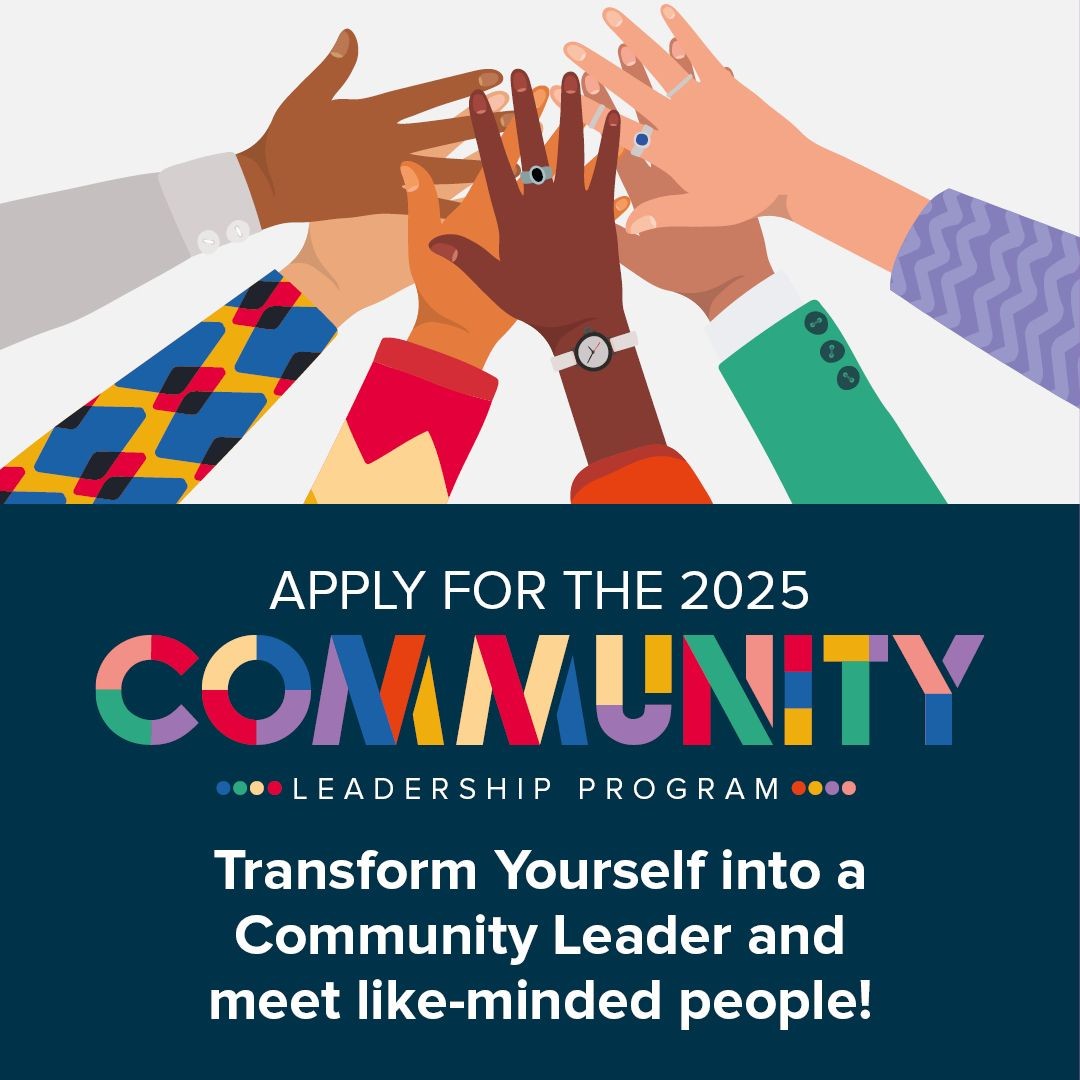
Community programs foster social interactions, helping individuals build relationships and a sense of belonging. This is particularly important in diverse communities, where social bonds can bridge cultural divides and promote inclusiveness.
2. Empowering Individuals
By providing access to resources, education, and support, community programs empower individuals to take control of their lives. Participants often gain confidence, new skills, and knowledge that help them achieve their goals.
3. Strengthening the Local Economy
Community programs can stimulate economic growth by supporting local businesses and creating job opportunities. Economic empowerment initiatives often lead to increased spending within the community, further bolstering the local economy.
4. Promoting Civic Engagement
These programs encourage residents to engage actively in their communities. Whether through volunteering, participating in decision-making processes, or advocating for local issues, active civic engagement leads to stronger, more resilient communities.
Challenges Faced by Community Programs
While the benefits of community programs are numerous, they also face various challenges. These include funding shortages, lack of awareness, and difficulties in volunteer recruitment. Additionally, measuring the impact of community initiatives can be complex, making it challenging to secure ongoing support and resources.
1. Funding and Resources
Many community programs rely on grants, donations, and fundraising efforts. Fluctuations in funding can hinder program sustainability, leading to interruptions in services and support.
2. Community Awareness
For a community program to succeed, residents need to be aware of available services. Effective marketing and outreach strategies are essential to ensure that individuals can access the help they need.
3. Volunteer Recruitment
Many community programs depend on volunteers to operate effectively. Recruiting and retaining dedicated volunteers can be a significant challenge, especially in areas where people lead busy lives.
Success Stories
Numerous community programs have achieved remarkable success, transforming lives and communities. For instance, a community arts program may have empowered underprivileged youth to express themselves through creative outlets, significantly reducing instances of juvenile delinquency. Similarly, local health initiatives focusing on preventive care could lead to a noticeable decrease in chronic disease rates in the area.
In addition, in places like Vanuatu, various community initiatives have demonstrated how collaboration among local residents can lead to substantial improvements in education, healthcare, and environmental quality, creating a ripple effect of positive change.
The Future of Community Programs
Looking ahead, the role of community programs will be more critical than ever. As societies navigate complex challenges such as climate change, economic disparities, and health crises, grassroots initiatives will play a vital role in addressing local needs and fostering resilience.
Continuous innovation, collaboration, and investment in community programs will be crucial for their success. By harnessing technology and fostering partnerships across sectors, communities can develop new solutions to age-old problems, enhancing their ability to thrive in a rapidly changing world.

Conclusion
Community programs are indispensable to creating a more equitable and thriving society. They empower individuals, strengthen communities, and foster social cohesion. As we continue to address the challenges of our time, supporting and expanding these initiatives will be essential for ensuring that every individual has the opportunity to live a healthy, fulfilling, and productive life.