
This issue is tackled by cryptocurrency and blockchain technology through gaming that can be proven fair. New opportunities are being unlocked while addressing some of the most urgent challenges in the iGaming sector. A significant advantage of utilizing cryptocurrency in the iGaming industry is the increased privacy it provides.
Template policies that once satisfied regulators are no longer adequate. Substantial fines continue to be issued by individual regulators. A joint commitment to coordinated action against unlicensed operators was made by Austria, France, Germany, Great Britain, Italy, Portugal, and Spain in their Joint Statement on November 25, 2025. The Australian Communications and Media Authority (ACMA) enforces provisions against illegal online gambling, including the blocking of ISPs.
Tecpinion is the leading software provider, known for delivering the best-in-class crypto casino solutions built with blockchain technology and supporting all major cryptocurrencies. Moving forward, let’s analyse the advantages of enabling crypto payments in iGaming platforms. Get weekly regulatory updates covering India and 11 other APAC jurisdictions Some analysts expect restrictions on private stablecoins while the Digital Rupee scales. Since March 2023, Virtual Digital Asset Service Providers (VDA SPs) are classified as “reporting entities” under the Prevention of Money Laundering Act (PMLA).
Payment infrastructure serves a crucial role, as it is the largest controllable factor affecting player retention and lifetime value, rather than mere back-office support.

The pressure persisted into 2026, accompanied by an increase in counterfeit proof-of-address documents. There is no definitive study on the range of vendor consensus. Non-documentary KYC verification speed (name/DOB/address only)
Clear rules protect players, legitimize the industry, and create a more stable environment for sustainable projects. Games that adopt these standards signal credibility to both players and regulators. Maintaining a transaction log alongside your withdrawals simplifies tax reporting. In most jurisdictions, tokens earned through play-to-earn gaming are taxable. Players in the Asia-Pacific region should verify the legal status of play-to-earn gaming in their specific country before participating. Some jurisdictions have embraced crypto gaming with light-touch regulation, while others have implemented strict controls or outright bans on certain crypto activities.
For years, India and Indonesia have been blocking websites of offshore casinos and sportsbooks, only to find that mirror sites pop up faster than regulators can shut them down. The Anti-POGO Act of 2025 (Republic Act 12312) made the ban on offshore gaming permanent and revoked remaining licences, so international-facing operators must look elsewhere. No federal-level movement toward online gambling legalization in 2026. Germany taxes stakes rather than GGR (5.3%), which on a GGR basis is heavier still, and France’s stake-based betting taxes work out at similar levels. Among major regulated markets, the UK’s Remote Gaming Duty is now one of the highest at 40% of gross profits (since April 2026), followed by the Netherlands at 37.8% of GGR (since January 2026). Signals increasing coordination among European regulators.
Although modest in comparison to the broader iGaming sector, interest has surged; for example, searches for Bitcoin casinos quadrupled from 2019 to 2021, and crypto betting volumes increased by over 20% from 2022 to 2023. We actively track regulatory changes across more than 50 jurisdictions and offer data-driven insights for the digital asset ecosystem. By May 2026, only 23% of nations had clear regulations regarding crypto gambling, while 67% were functioning in regulatory grey areas.
Furthermore, she mentioned that autoconversion allows operators to opt for payments in stablecoins or cryptocurrencies with lower fees, thereby reducing costs. As a result of these mitigation strategies, NOWPayments is capable of providing competitive fees of just 0.5% for processing crypto transactions. In 2017, the cost of a single bitcoin transfer from one wallet to another could reach as high as $60, which was a fixed fee regardless of the transferred amount. Due to their security, borderless nature, and ability to deliver fast payouts, iGaming operators have quickly embraced crypto payments. The distinctive features of cryptocurrencies are significant advantages for iGaming deposits, where speed, privacy, and reliability hold great importance.
The growing volume of online transactions makes the detection of fraud and abuse and the prevention of financial crime more complex. Player identification/verification and providing a seamless onboarding experience are some of the major pain points experienced by the iGaming operators. To do so, operators must adhere to responsible gambling standards, advertising standards, and consumer protection rules. Licensed operators are now required to put in place AML processes, responsible gaming practices, operational accountability, and reporting procedures, reflecting many of the considerations discussed in the broader iGaming licensing guide.
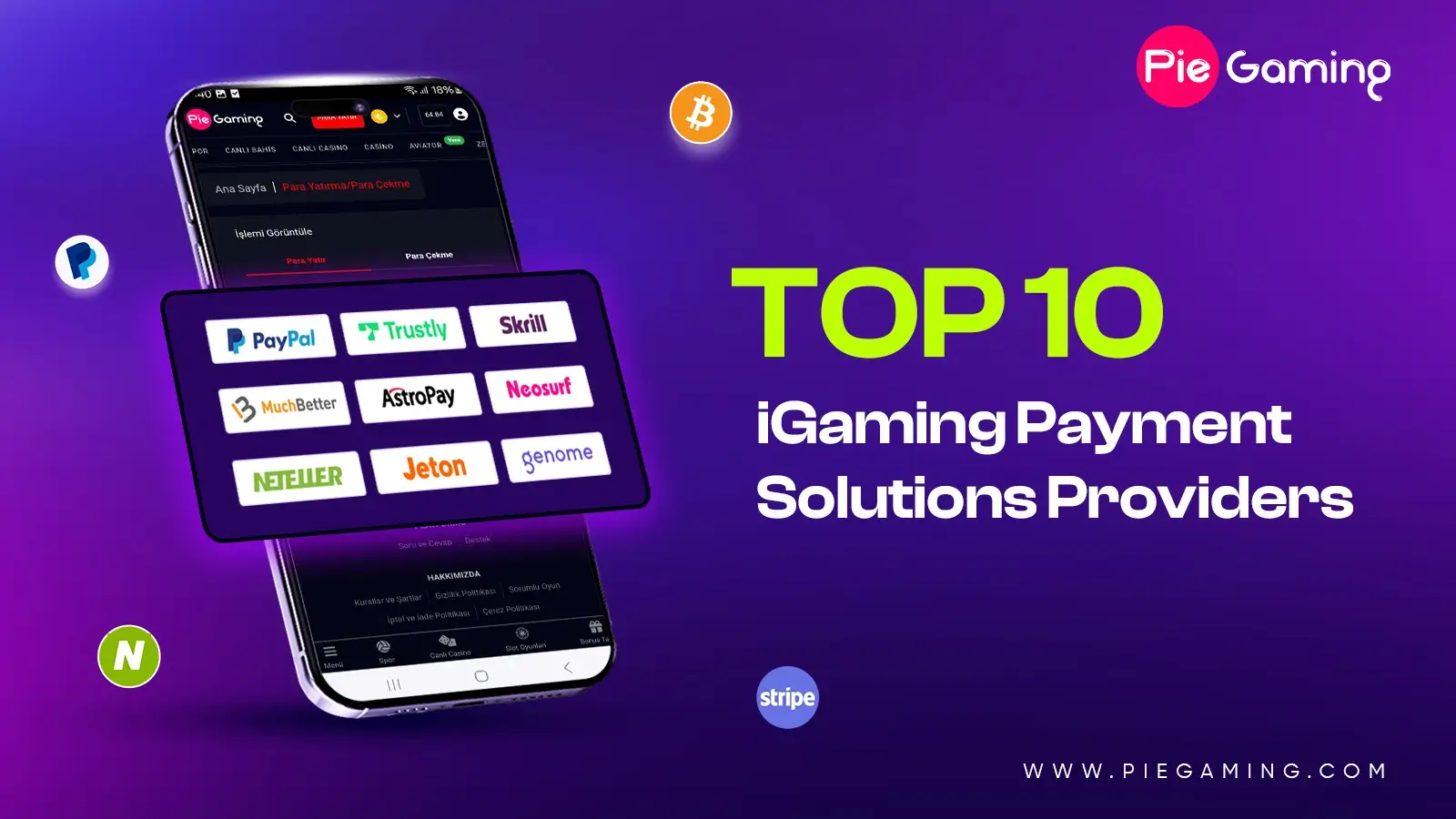
If your company offers crypto payment solutions for iGaming and is not yet listed, or if you believe we’ve overlooked a strong candidate, please get in touch with us. CoinsPaid is among the first names that operators encounter when inquiring about crypto payments in the gambling sector. As features, fees, and licensing frequently change, it is advisable to verify current terms directly with each provider before integration. Exchanges must adhere to reporting obligations, and substantial transactions may necessitate compliance with disclosure rules, underscoring the importance of documentation. It is not possible for crypto to directly replace INR in property registration processes.
The RBI remains against legalising crypto, while SEBI, ICAI, and industry players are pushing for clearer regulations. Taxes stayed the same, while compliance tightened through more reporting, stronger KYC rules, and increased enforcement actions. US iGaming regulation remains state-by-state.
The guidance applies immediately to Visa and Mastercard’s direct network participants globally. FinCEN has indicated it will reference the Visa/Mastercard framework in forthcoming rulemaking around cryptocurrency transaction reporting. Visa and Mastercard’s legitimacy effectively creates a regulatory on-ramp for this volume. Estimates suggest $4-6 billion in annual iGaming deposits currently flow through unregulated crypto channels—roughly 2-3% of global regulated market volume but concentrated in Asia-Pacific and emerging markets.
However, it introduces higher AML/CTF, sanctions, and consumer-protection risks. Crypto gambling refers to gambling where customers fund or withdraw using virtual assets (VAs) such as Bitcoin, Ether, or stablecoins. A smaller set of jurisdictions lets licensed operators accept virtual assets with explicit approval and strict AML/CTF requirements. In most regulated markets, licensed gambling is fiat-first; accepting crypto directly is either not allowed or treated as high-risk and permitted only with robust controls. This boom comes despite significant uncertainties and global restrictions facing the industry, with players using VPNs to bypass geographic blocks and access casinos located in permitted jurisdictions. Crypto gambling has exploded into a global industry, with crypto casinos taking more than $81 billion in 2024—five times the volume seen just two years earlier.
