Games and Transactions at International Level
The world of gaming has transcended geographical boundaries, creating an intricate web of interactions that span across diverse cultures and economies. The globalization of games, both digital and traditional, has facilitated an increasing complexity in transactions. This phenomenon has not only transformed the way games are played but also how they are financed, marketed, and regulated. In this article, we delve into the intersection of games and transactions at the international level, shedding light on the dynamics that shape this evolving landscape, including the rise of Games and Transactions at International Casino Sites casino without swedish license operations that capture global interest.
The Evolution of Gaming
The history of gaming is rich and varied, spanning centuries and countless cultures. From ancient board games to modern video games, the evolution has paralleled advancements in technology and societal changes. In recent decades, the rise of the internet has revolutionized gaming, leading to the emergence of online platforms that allow players from different continents to interact in real-time.
This digital transformation has not only expanded the gaming audience but also created new avenues for financial transactions. Players can now purchase in-game items, subscribe to services, or place bets in online casinos with mere clicks, all of which harness the power of international payment systems. Gaming companies have had to adapt to these changes, implementing various methods to facilitate seamless transactions and provide secure environments for their users.
Transaction Mechanisms in Gaming
The transactions associated with gaming can be categorized into several key areas, each presenting its own unique challenges and dynamics:
- In-Game Purchases: Many games operate on a freemium model, where the base game is free, but players are encouraged to purchase in-game items or currency. This has created a multibillion-dollar industry, with companies continuously refining their monetization strategies to maximize revenue.
- Subscriptions: Subscription models have gained popularity, especially with the rise of cloud gaming services. Players pay a monthly or yearly fee for access to a library of games, requiring robust transaction systems to handle recurring payments effectively.
- Online Betting and Gambling: The rise of online casinos has introduced complex regulatory frameworks that vary dramatically across different countries. Transactions in this sector often involve large sums of money and require compliance with local laws and payment processing regulations.
Regulatory Landscape
The global nature of gaming transactions presents unique challenges for regulators. Different countries have varying laws regarding gambling, data privacy, and consumer protection, necessitating a careful balance between promoting innovation and ensuring player safety.
Online casinos, for example, must navigate a patchwork of regulations, often leading them to operate without licenses in certain jurisdictions. This has given rise to the allure of casino without swedish license sites, which can offer enticing bonuses and promotions. However, these unregulated platforms can carry significant risks, including the lack of recourse for players in cases of fraud or non-payment.
Impact of Blockchain Technology
One of the most exciting developments in the gaming transaction landscape is the incorporation of blockchain technology. Blockchain offers unprecedented transparency and security, providing potential solutions to many of the challenges faced by both players and operators.
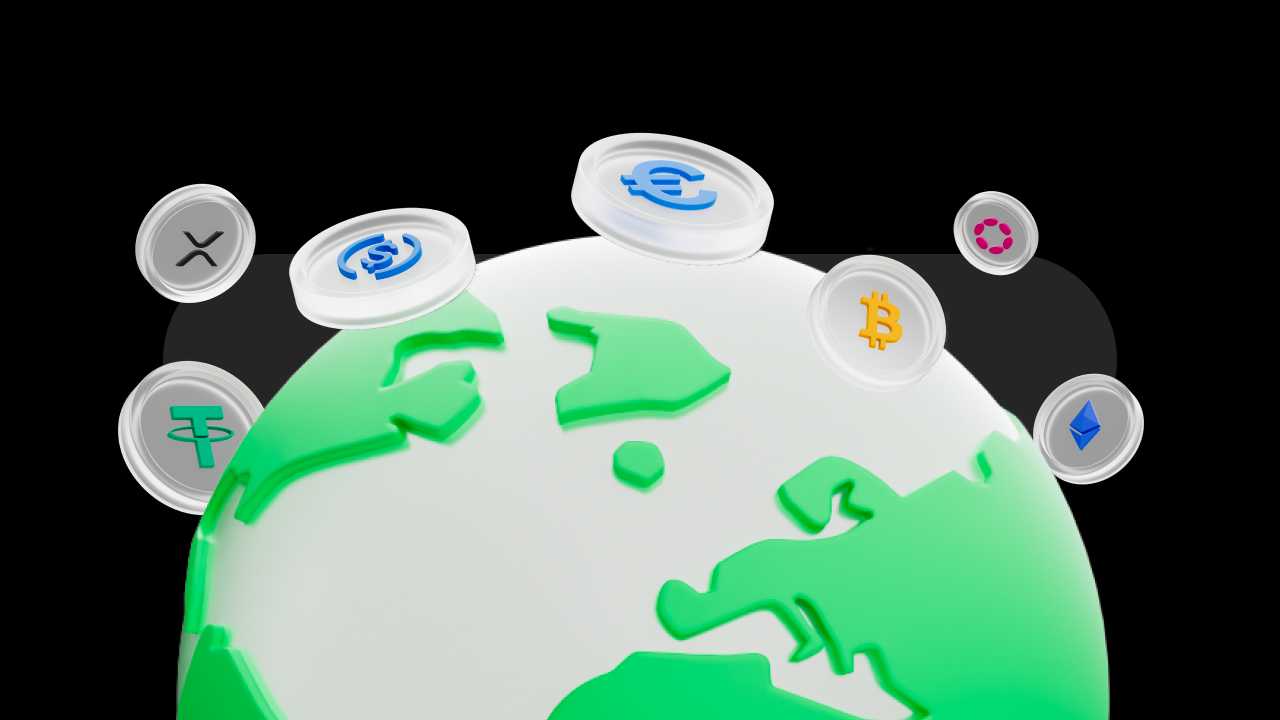
In gaming, blockchain can be used to facilitate secure transactions, verify ownership of virtual assets, and even implement decentralized gaming ecosystems where players have greater control over their gaming experiences. Cryptocurrencies and non-fungible tokens (NFTs) have emerged as popular methods for facilitating transactions, allowing players to buy, sell, and trade digital assets seamlessly across borders.
Economic Implications of Gaming Transactions
The economic impact of gaming and its associated transactions is profound. The gaming industry has become one of the largest entertainment sectors globally, contributing significantly to GDPs around the world. In regions where gaming is heavily regulated, such as in parts of Europe and North America, the revenues generated from gaming taxes can be substantial, funding essential public services.
Furthermore, global gaming companies are major employers, providing jobs in development, marketing, customer support, and more. As the demand for gaming content continues to rise, fueled by the proliferation of mobile devices and high-speed internet access, the potential for economic growth in this sector seems limitless.
Challenges and Future Trends
Despite the promising outlook for gaming transactions, the industry faces several challenges. Security breaches, issues related to money laundering, and regulatory pressures are ongoing concerns that require persistent vigilance from operators and regulators alike.
As we look to the future, emerging trends such as virtual reality, augmented reality, and the expansion of esports are likely to change the transaction landscape once again. The rise of social gaming platforms also suggests a shift towards more community-oriented experiences, where transactions may take on new forms.
Conclusion
The intersection of games and transactions is a dynamic and ever-evolving space that reflects broader economic, technological, and cultural shifts. As the gaming landscape continues to expand beyond traditional boundaries, understanding the mechanisms, challenges, and opportunities associated with international transactions will be essential for players, operators, and regulators alike. The potential for innovation and growth in this sector remains vast, promising a captivating future for all involved.